
Circular Economy
How Premium Recyclate Solves the Recycling Paradox
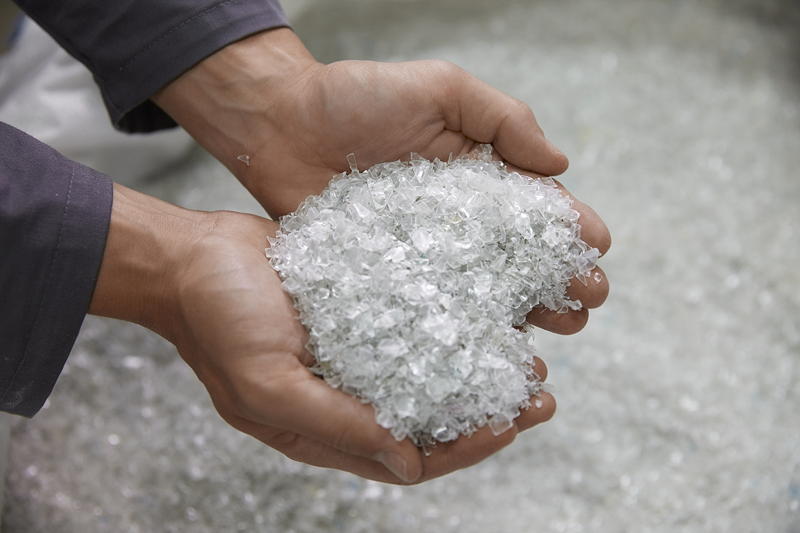
Sustainability is on trend – but consumers do not want to see or smell it. In the circular economy, a significant gap remains between environmental ideals and concerns about hygiene. Research points to a “recycling paradox”: consumers become less willing to purchase food and personal care products when they are packaged in recycled plastic.
The root of this skepticism runs deep and is known in psychology as the “contagion effect”. Studies[1] show that consumers unconsciously associate recycled materials with waste. As a result, they tolerate no visible imperfections, odors, or functional limitations – and they are equally unwilling to pay a premium for such products[2].
Transparent Storytelling: A Key Lever for Brand Owners
A recent publication in “Food Quality and Preference”[3] confirms this finding: the use of recycled material triggers such strong reservations that consumers unconsciously perceive not only the packaging but also the taste and quality of the product itself as inferior[4]. Brand owners therefore need to build trust proactively at the point of sale. Transparent, regional storytelling directly on the packaging becomes a decisive tool. Brands that rely on controlled, local material loops and communicate this openly can reduce unconscious consumer concerns, overcome the recycling paradox, and turn sustainability into a genuine driver of sales.
The PET Principle: Trust Through Purity
To avoid reinforcing existing consumer reservations, recycled material must meet the highest standards – particularly in the food sector, where strict EU regulations already apply. PET bottles produced in closed bottle-to-bottle recycling systems are considered the global benchmark, even though recycled PET (rPET) is often naturally a slightly darker shade than virgin material. Deposit return systems further strengthen consumer confidence, as only beverage containers circulate within the loop.
For other plastics, manufacturers currently rely on functional barrier technologies in multilayer (co-extruded) packaging. The recycled material is enclosed within the core and separated from the product by a thin outer layer of virgin plastic. This approach complies with EU food safety requirements and prevents the migration of substances from recycled polypropylene (rPP) or recycled polyethylene (rPE).
The Next Step: True Closed Loops
In the long term, more complex packaging made from PP and PE must follow the example set by PET bottles by becoming part of strictly controlled closed-loop systems. Eliminating multilayer barrier structures will require innovative cleaning technologies capable of removing color residues and unwanted odors. At the same time, proof of origin, certifications, and invisible digital watermarks such as those developed under the “HolyGrail 2.0”[5] initiative will strengthen trust. These technologies enable precise sorting and provide verifiable evidence of the material purity required for direct food contact.
Regulatory Pressure: Recycled Content Targets Need Consumer Acceptance Under the new Packaging and Packaging Waste Regulation (PPWR), the European Union will introduce mandatory minimum recycled-content quotas from 2030. While these requirements will accelerate the use of recycled plastics, regulation alone cannot create consumer confidence. A meta-study by Utrecht University explicitly warns that circular economy concepts may fail in practice if consumer perspectives are overlooked[6]. Regional proof of origin and quality certification clearly differentiate products made with recycled content from low-cost imports whose production may involve inadequate environmental standards and higher quality risks. Only when manufacturers can fully document the origin and quality of recycled materials will consumer skepticism diminish and genuine appreciation for a safe circular economy emerge.
Article provided by: yes or no Media GmbH
Referenzen:
[3] https://www.sciencedirect.com/science/article/pii/S0950329325000138
[4] https://www.sciencedirect.com/science/article/pii/S0950329325000138
[5] https://www.digitalwatermarks.eu
[6] https://www.sciencedirect.com/science/article/pii/S0921344917302835
kb